
Dhamma talk at Maha Bodhi Society
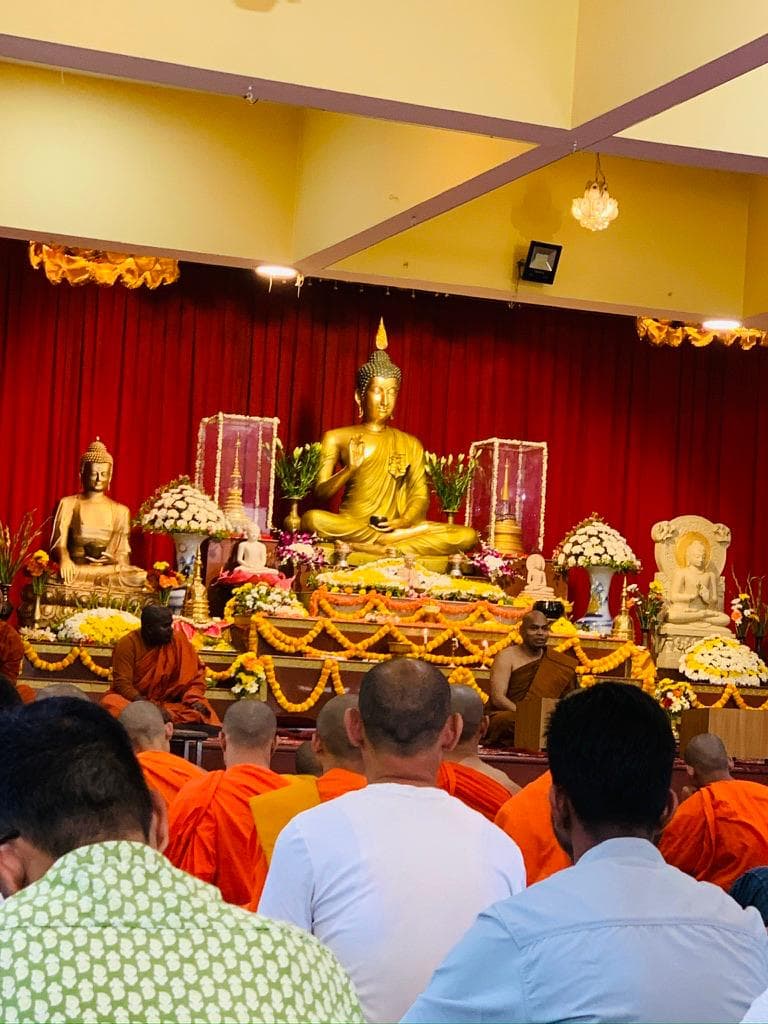
Why Meditation? A Path from Suffering to Wisdom
Meditation isn't about sitting quietly and thinking nice thoughts. It's a systematic path toward liberation from suffering — and more importantly, toward becoming a wiser person in everyday life.
Here's what I took away from a recent session that broke this down clearly.
1. Sila (Virtue)
Wisdom that stays in books is useless. The real test is whether it changes how you live — how you speak, act, and treat people around you.
For lay people (those of us not living in monasteries), the starting point is simple: renounce the habits that make life worse. Anger. Resentment.
- No remorse — a clean conscience is lighter than people realize
- Good reputation — people notice consistency in character
- Good health — less inner conflict, less stress on the body
- A foundation for meditation — virtue isn't separate from practice, it's the ground it sits on
Virtues give you something hard to describe — an aura, a kind of energy. You've met people like this. They're active, they lead, they carry a quiet richness about them.
2. Samadhi (Concentration)
Once virtue stabilizes your life, concentration in meditation becomes possible. Without the first step, the mind is too restless to settle.
3. Panna (Wisdom)
This is the destination — becoming a truly wise person.
But here's the warning: ignorance is the default. Without deliberate effort, we drift toward wrong friends, wrong paths, wrong actions, and wrong views. Each of these feeds more ignorance.
Wisdom isn't automatic. It requires paying attention — real, sustained attention — and it's necessary for liberation. At its core, meditation is the purification of the mind.
4. Ignorance Is Ego
The deepest form of ignorance isn't a lack of information. It's ego — the stubborn belief that "I" am the center of everything. This is what wisdom gradually dissolves.